
7 Essential Facts About Cavities: Causes, Symptoms, and Prevention
Introduction
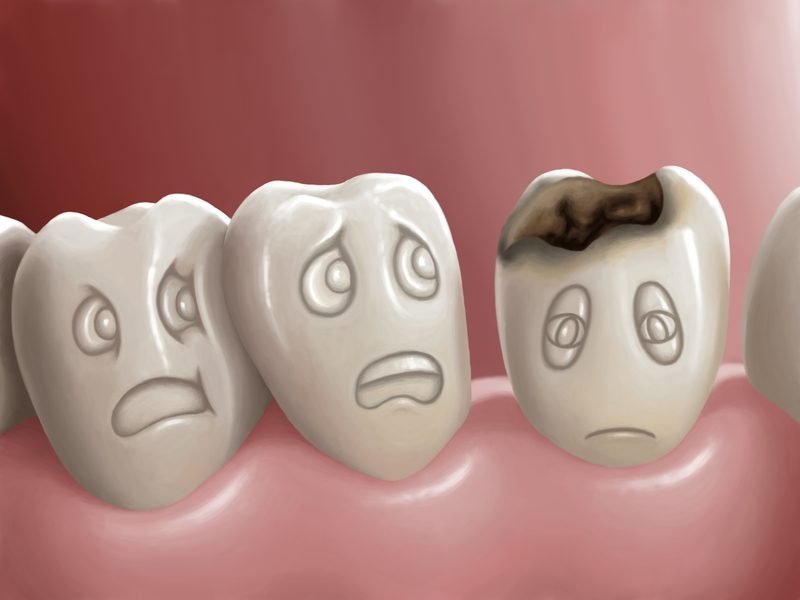
Cavities, also known as dental caries or tooth decay, are one of the most common oral health problems worldwide. They occur when bacteria in the mouth produce acids that erode the enamel and dentin of the teeth, leading to the formation of small holes or cavities. In this comprehensive guide, we’ll explore seven essential things you need to know about cavities, including their causes, symptoms, and prevention strategies.
What Are Cavities?
Cavities are areas of decay on the surface of the teeth caused by bacteria in the mouth. When we consume sugary or starchy foods, bacteria in the mouth feed on these substances and produce acids. These acids can gradually wear down the enamel, the hard outer layer of the teeth, and create small holes or cavities.
Causes of Cavities
- Poor Oral Hygiene: Failing to brush and floss regularly allows plaque, a sticky film of bacteria, to build upon the teeth, leading to decay.
- High Sugar and Starch Intake: Consuming foods and beverages high in sugar and starch provides fuel for bacteria in the mouth, leading to acid production and enamel erosion.
- Acidic Foods and Beverages: Acidic foods and drinks, such as citrus fruits, soda, and fruit juices, can weaken tooth enamel and make it more susceptible to decay.
Symptoms of Cavities
- Tooth Sensitivity: Sensitivity to hot, cold, sweet, or acidic foods and drinks can indicate the presence of a cavity.
- Tooth Pain: Sharp or throbbing pain in the affected tooth, particularly when biting down, may indicate a cavity.
- Visible Holes or Pits: Cavities may appear as visible holes, pits, or dark spots on the surface of the teeth.
Risk Factors for Cavities
- Poor Oral Hygiene: Failing to brush and floss regularly allows plaque to build upon the teeth, increasing the risk of decay.
- High Sugar and Starch Intake: Consuming foods and beverages high in sugar and starch provides fuel for bacteria in the mouth, leading to acid production and enamel erosion.
- Dry Mouth: Saliva plays a crucial role in washing away food particles and neutralizing acids in the mouth. Dry mouth, or xerostomia, reduces saliva production and increases the risk of cavities.
Treatment for Cavities
- Dental Fillings: Dental fillings are the most common treatment for cavities. During this procedure, the decayed portion of the tooth is removed, and the cavity is filled with a dental filling material, such as amalgam, composite resin, or gold.
- Dental Crowns: For larger cavities that have compromised a significant portion of the tooth, a dental crown may be necessary to restore its shape, size, and function.
- Root Canal Therapy: If the decay has reached the pulp of the tooth, causing infection and inflammation, root canal therapy may be required to remove the infected tissue and save the tooth.
Prevention of Cavities / Oral Hygiene
- Brushing and Flossing: Brush your teeth at least twice a day and floss once a day to remove plaque and food particles from the teeth and gums.
- Limit Sugary and Starchy Foods: Limit your intake of sugary and starchy foods and beverages, such as candy, soda, and pastries, which can fuel bacteria in the mouth and lead to decay.
- Regular Dental Check-ups: Visit your dentist regularly for professional cleanings and check-ups to detect cavities and other oral health problems early.
Fluoride Treatment for Cavities
Fluoride is a mineral that helps strengthen tooth enamel and prevent cavities. Your dentist may recommend fluoride treatment as part of your routine dental care to help prevent cavities and protect your teeth.
FAQ
1. Are cavities only caused by eating too much sugar?
While consuming sugary foods and beverages is a significant risk factor for cavities, other factors such as poor oral hygiene, dry mouth, and acidic foods and drinks can also contribute to tooth decay.
2. Can cavities go away on their own?
No, cavities cannot go away on their own. Without treatment, cavities will continue to worsen over time, leading to pain, infection, and possible tooth loss.
3. How often should I visit the dentist to prevent cavities?
It is recommended to visit your dentist every six months for a routine check-up and professional cleaning. Your dentist can detect cavities and other oral health problems early and provide treatment to prevent further damage.
4. Can fluoride prevent cavities?
Yes, fluoride is a mineral that helps strengthen tooth enamel and prevent cavities. Your dentist may recommend fluoride treatment as part of your routine dental care to help prevent cavities and protect your teeth.
Conclusion
Cavities are a common oral health problem that can lead to pain, infection, and tooth loss if left untreated. By understanding the causes, symptoms, and risk factors for cavities, as well as adopting good oral hygiene habits and visiting your dentist regularly, you can reduce your risk of developing cavities and maintain a healthy smile for life.