
The Connection You Can't Ignore: How Oral Health Affects Your Heart
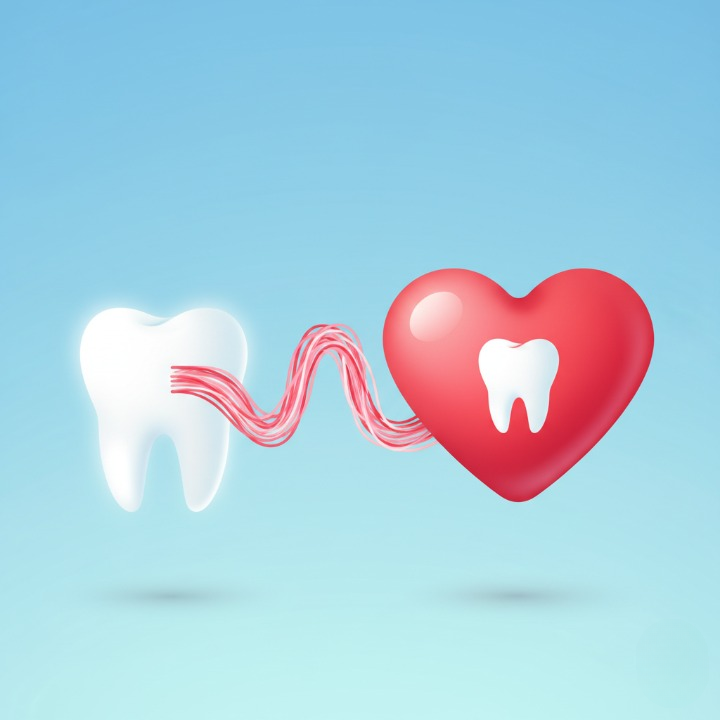
Introduction: Your Mouth is a Window to Your Overall Health
For too long, we’ve been taught to think of the dentist and the doctor as separate worlds. A cavity was just a cavity. Bleeding gums were just bleeding gums. But groundbreaking research has shattered this old belief, revealing a powerful and undeniable link between the health of your mouth and the health of your entire body—especially your heart.
This isn’t just a theory; it’s a critical oral systemic connection that you simply can’t afford to ignore. Taking care of your smile is no longer just about a confident grin; it’s a proactive step in protecting your most vital organ.
The Inflammatory Bridge: From Your Gums to Your Arteries
So, how does a problem in your mouth affect your heart? The primary culprit is inflammation.
Gum disease (periodontitis) is a chronic bacterial infection of the gums and bone supporting your teeth. When you have this condition, your mouth becomes a constant, low-grade source of inflammation. Harmful bacteria from infected gums can easily enter your bloodstream through everyday activities like chewing or brushing.
Once in the bloodstream, these bacteria and the inflammatory markers they trigger can travel throughout your body, contributing to damage in other areas.
The Domino Effect: How Gum Disease Puts Your Heart at Risk
This systemic inflammation sets off a chain reaction with serious consequences for your cardiovascular system.
Increased Arterial Plaque: The inflammation can irritate and damage the inner lining of your blood vessels (the endothelium), making it easier for cholesterol and other substances to build up and form arterial plaque, a condition known as atherosclerosis.
Narrowed Arteries: As this plaque hardens and thickens, it narrows the arteries, restricting blood flow. This can lead to high blood pressure and increase the strain on your heart.
Higher Risk of Clots: The inflammation can also make these arterial plaques unstable and more likely to rupture. If a plaque ruptures, a blood clot can form, which may completely block a blood vessel, leading to a heart attack or stroke.
Multiple studies have shown that individuals with periodontal disease are at a significantly higher risk of developing heart disease, even after accounting for other risk factors like smoking, diabetes, and obesity.
The Vicious Cycle: Heart Disease and Diabetes Connections
The oral systemic connection doesn’t stop with your heart. It’s a complex web:
Diabetes: If you have diabetes, you are more susceptible to severe gum disease. Conversely, serious gum disease can make it more difficult to control blood sugar levels, creating a dangerous two-way street between oral health and diabetes management.
Existing Heart Conditions: For individuals with pre-existing heart valve problems or a history of endocarditis, oral bacteria in the bloodstream pose a particularly severe risk, making excellent oral health and heart care non-negotiable.
5 Signs Your Oral Health Might Be Sending a Warning Signal
Your mouth often shows the first signs of this systemic inflammation. Don’t ignore these red flags:
Red, Swollen, or Tender Gums
Gums That Bleed When You Brush or Floss
Persistent Bad Breath or a Bad Taste in Your Mouth
Loose Teeth or a Change in Your Bite
Receding Gums or “Longer-Looking” Teeth
Your Action Plan: Protecting Your Smile to Protect Your Heart
The great news is that by managing your oral health, you are actively investing in your heart health. Here’s your action plan:
Prioritize Prevention: Brush twice daily with a fluoride toothpaste and floss meticulously every day. This is your first and most powerful line of defense.
Don’t Skip Professional Cleanings: Your dental hygienist removes the hardened tartar (calculus) that you can’t eliminate at home, which is a major source of inflammation.
Treat Gum Disease Promptly: If you are diagnosed with periodontal disease, commit to the recommended treatment plan, such as deep cleanings (scaling and root planing). Controlling the oral infection directly reduces the systemic inflammatory burden on your body.
Communicate with Your Providers: Always tell your dentist about your full medical history, including any heart conditions. Likewise, inform your physician about any ongoing dental issues.
FAQs About Oral and Heart Health
Yes. While research is ongoing to fully understand the mechanisms, numerous large-scale studies have established a strong and independent association between periodontal disease and an increased risk of heart attack and stroke. The American Heart Association has published statements acknowledging this link.
While improving your oral health and heart care won’t “reverse” existing heart disease on its own, it is a crucial part of a comprehensive management plan. Reducing chronic inflammation from your mouth can lower your overall inflammatory burden, which helps improve cardiovascular outcomes and supports overall treatment.
This is only necessary for specific high-risk heart conditions, such as a history of infective endocarditis, certain congenital heart defects, or a prosthetic heart valve. The guidelines have changed over time, so it is essential to get a clear recommendation from your cardiologist who knows your specific medical history.
It’s not about which comes first; it’s about the ongoing cycle of inflammation. Chronic gum disease fuels systemic inflammation, which worsens heart disease risk factors. Having heart disease doesn’t mean you will automatically get gum disease, but it makes managing your oral health even more critical.
If you are diagnosed with significant periodontal disease, it is a very good idea to inform your primary care physician. They can assess your overall cardiovascular risk factors and determine if a referral to a cardiologist is appropriate for you based on your overall health profile.
A Healthy Heart Starts with a Healthy Smile
The message is clear: your oral health is not isolated. The state of your gums has a direct and profound impact on the state of your heart. Ignoring bleeding gums or postponing dental treatment is no longer just a dental issue—it’s a cardiovascular risk.
Taking control of your oral health and heart is one of the most powerful preventive steps you can take. Schedule your dental check-up at [Your Clinic Name] today. Let’s work together to protect your smile for a lifetime, and in doing so, protect the heart that keeps you going.